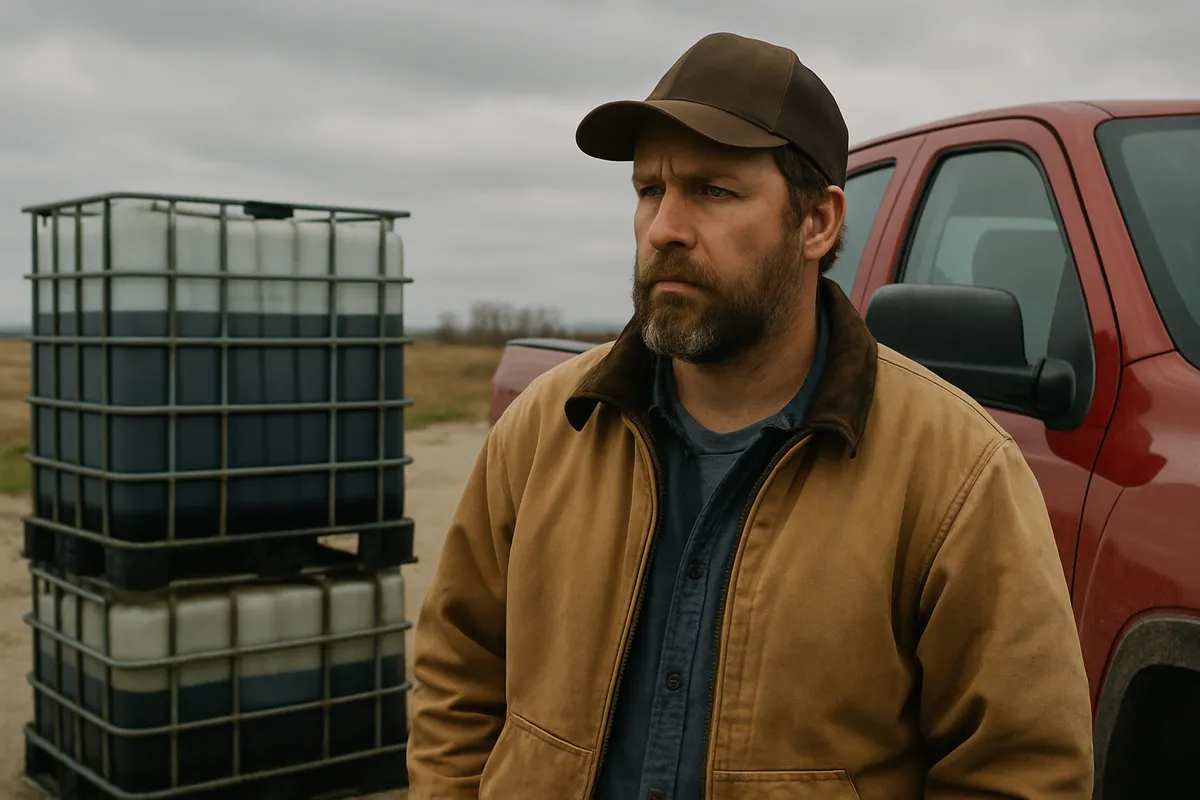
The 500-Mile Drive to Fix an Oil Tote Problem Nobody Wanted
Sometimes the right thing to do is a 500-mile drive nobody else was willing to make. That's what it came down to with an oil tote problem that landed here at Gotcha Covered Metal and Portable Buildings in Tyler, Texas after every other option had already said no. The problem wasn't complicated. The reason nobody wanted it was simple — it was inconvenient, it was far, and there wasn't much money in it. But a problem is still a problem, and somebody needed it solved.
1. Why Nobody Wanted the Oil Tote Problem in the First Place
Most folks in this trade will tell you they solve problems. The truth is, a lot of them only solve the easy ones. When something is far away, low-margin, or a little messy, the phone stops getting answered and the excuses start rolling in. That's exactly what happened here. This oil tote situation got passed around until it landed in a place where the answer was still no.
There's a good reason to be honest about the economics of a job like this. A 500-mile round trip burns fuel, time, and a full day you can't get back. On paper, it doesn't make sense. But paper doesn't tell the whole story, and it never has. The U.S. Small Business Administration will tell you that reputation and repeat customers are the lifeblood of a small business — and reputation isn't built on the easy jobs.
- The job was far enough that most local outfits wouldn't touch it
- The margin was thin, so it got treated as not worth the trouble
- Nobody wanted the responsibility if something went sideways
Pro Tip: Before you hand a hard problem to a builder, ask them about the last inconvenient job they took on. Their answer tells you more than any price quote.
2. The Real Cost of Passing the Problem Down the Line
When a problem gets handed off over and over, the person stuck with it usually ends up paying for it — in stress, in wasted money, and in lost time. That customer had already spent weeks trying to find somebody who'd take it seriously. Every "no" cost them a little more patience and a little more faith that anybody would actually help.
That's the hidden expense nobody puts on an invoice. A problem that sits unsolved doesn't stay the same size. It grows. What could've been handled in a day turns into a headache that drags on for a month. The longer folks wait for somebody trustworthy, the more the whole thing costs them.
This is why planning-first thinking matters so much. The Federal Trade Commission's guidance on hiring contractors makes the same point in its own way — the cheapest or quickest brush-off often costs the most in the end. Doing things the right way sometimes means being the only one willing to say yes.
- Unsolved problems get bigger and more expensive over time
- Getting passed around wears down a customer's trust in the whole trade
- The real cost isn't just money — it's the frustration and lost time
Pro Tip: If three people have already told you no, don't assume the job is impossible. Sometimes it just means you haven't found the person willing to do it right yet.
3. Making the Right Decision the First Time — Even When It's Inconvenient
Here's the thing about that drive. There was a decision to make, and it wasn't really about the miles. It was about whether the customer's problem mattered more than the inconvenience. When you decide up front to make the right decision the first time, a lot of these calls get easier. You don't sit there weighing whether it's worth it. You already know the answer.
That doesn't mean money doesn't matter. It means money doesn't get the final say. A job that loses a little on paper can be the best investment you ever make in your name and your reputation. People remember who showed up when nobody else would.
The whole approach here starts with the same idea: solve the actual problem in front of the customer. Not the easy version of it. Not the profitable version. The real one. When that becomes the standard, a 500-mile drive stops being a burden and just becomes the next right thing to do.
- Decide your values before the hard call comes, not during it
- A short-term loss can be a long-term reputation win
- Solving the real problem matters more than protecting the margin
Pro Tip: Set your standard before you're tempted to lower it. It's a lot easier to do the right thing when you already decided you would.
4. What "Standing Behind the Work" Actually Looks Like
Anybody can say they stand behind their work. It's a nice line for a website. But standing behind the work long after the project is done means being reachable when something's inconvenient, being willing to eat a cost when a mistake happens, and driving 500 miles when that's what solving the problem takes.
If it's a mistake, I eat it. That's not a slogan around here — it's how the business actually runs. When the greenhouse job went wrong a while back, the whole thing got rebuilt by hand, at a loss, because that's what standing behind the work looks like when nobody's watching. That customer became a customer for life. The oil tote drive came from the same place.
The Better Business Bureau tracks a lot of complaints in construction, and most of them come down to one thing — somebody wouldn't stand behind what they built. The fix isn't complicated. It's just rare. Do the work like it's for someone you love deeply, and you don't have to think twice about backing it up.
- Standing behind the work means being reachable when it's inconvenient
- Real accountability shows up when there's no profit and nobody watching
- Most construction complaints trace back to builders who wouldn't back their work
Pro Tip: Ask a builder what happens if something goes wrong six months later. If the answer is clear and specific, you've found someone worth trusting.
5. How This Same Thinking Protects East Texas Property Owners
That oil tote drive might sound like a one-off story, but it's the same thinking that protects every homeowner and property owner across East Texas who works with us. Whether it's a portable building, a metal building, a playset, or an outdoor living space, the question is always the same: what does this person actually need, and how do we do it right?
Around Tyler, Whitehouse, Bullard, Lindale, Flint, and out toward Lake Palestine, folks have plenty of options and not enough people telling them the truth. A lot of the overwhelm comes from too many choices and nobody willing to give straight guidance. The problem-solver mentality cuts through that. It puts your actual situation first instead of pushing whatever's easiest to sell.
That's why the conversation here always starts before the build. Good planning up front prevents most of the expensive mistakes down the road. This is the kind of conversation that can save you time, money, and a lot of frustration — and it starts with somebody who'll take on the hard part instead of passing it down the line.
- Every job starts with what the customer actually needs, not what's easy to sell
- Planning up front prevents most costly mistakes later
- The same problem-solver mentality applies whether the job is big or small
Pro Tip: Have your planning conversation before a single dollar gets spent. The right questions early save you the expensive surprises later.
What I've learned about taking on hard problems after years in the field
The 500-mile drive taught me something that's stuck with me. The jobs nobody wants are usually the ones that matter most to the person stuck with them. When everybody else has said no, and you say yes, you're not just fixing an oil tote — you're restoring somebody's faith that people will actually help.
I don't care if this closes or not. That's the honest starting point for every conversation here. When you're not chasing the sale, you can actually hear what the person needs. Sometimes that means the sale doesn't happen and you point them somewhere else. Sometimes it means driving farther than makes any financial sense. Either way, you sleep fine, because you did things the right way.
What makes the approach here different is that integrity comes before profit, every single time. Not most of the time. Not when it's convenient. Every time. You can read more about how that shows up in the work over at Gotcha Covered Metal and Portable Buildings, but the short version is this — work should be done as if it's for someone you love deeply.
That oil tote is long since handled. But the reason it got handled is the same reason folks in Tyler and across East Texas keep sending their neighbors this way. When you build your business on treating people right, the trust and the reputation take care of themselves. You don't have to chase them.
How Gotcha Covered helps East Texas families and property owners do it right
Gotcha Covered Metal and Portable Buildings is a full-service outdoor space company right here in Tyler, Texas — portable buildings, metal buildings, playsets, and outdoor living, done the honest way. We serve homeowners, families, and property owners across Smith County and the wider East Texas area, including Bullard, Whitehouse, Lindale, Flint, and the Lake Palestine area, along with rural properties needing backyard builds and land improvements.
The work starts with a real conversation about what you're trying to accomplish, what your budget actually allows, and how to make the right decision the first time. No pressure, no corners cut, no rush to close. Just clear, honest guidance from somebody who'll stand behind the work long after the project is done — and who's willing to take on the hard part when that's what it takes.
If you're planning a project and want to get it right, reach out at gotchacoveredgc.com or call (903) 504-7858. You can also find us at 10556 US Hwy. 69 N, Tyler, Texas, 75706. Let's have the kind of conversation that saves you time, money, and a lot of frustration before you build.
FAQ
Why would a builder drive 500 miles to fix an oil tote problem?
Because solving the actual problem matters more than the margin on the job. When every other option has said no, somebody willing to take it on restores a customer's faith that people will actually help. It's about doing things the right way, even when it's inconvenient.
What kind of problems will Gotcha Covered take on in East Texas?
We handle portable buildings, metal buildings, playsets, and outdoor living projects across Tyler and the wider East Texas area, including rural properties. We're also known for taking on the harder jobs that other outfits pass down the line — because a problem is still a problem, and somebody needs it solved.
How do I know a builder will stand behind their work?
Ask them what happens if something goes wrong six months after the project's done. A trustworthy builder gives you a clear, specific answer instead of a vague promise. Around here, if it's a mistake, I eat it — that's the standard, not a slogan.
Does Gotcha Covered pressure customers to close the sale?
No. The approach here is planning-first and problem-solver-driven, not sales-driven. Sometimes the honest answer means the sale doesn't happen, and that's fine — the goal is helping you make the right decision the first time.
What areas around Tyler does Gotcha Covered serve?
We serve Tyler and across East Texas, including Smith County, Bullard, Whitehouse, Lindale, Flint, and the Lake Palestine area. We also serve rural East Texas properties for backyard builds and land improvements.
